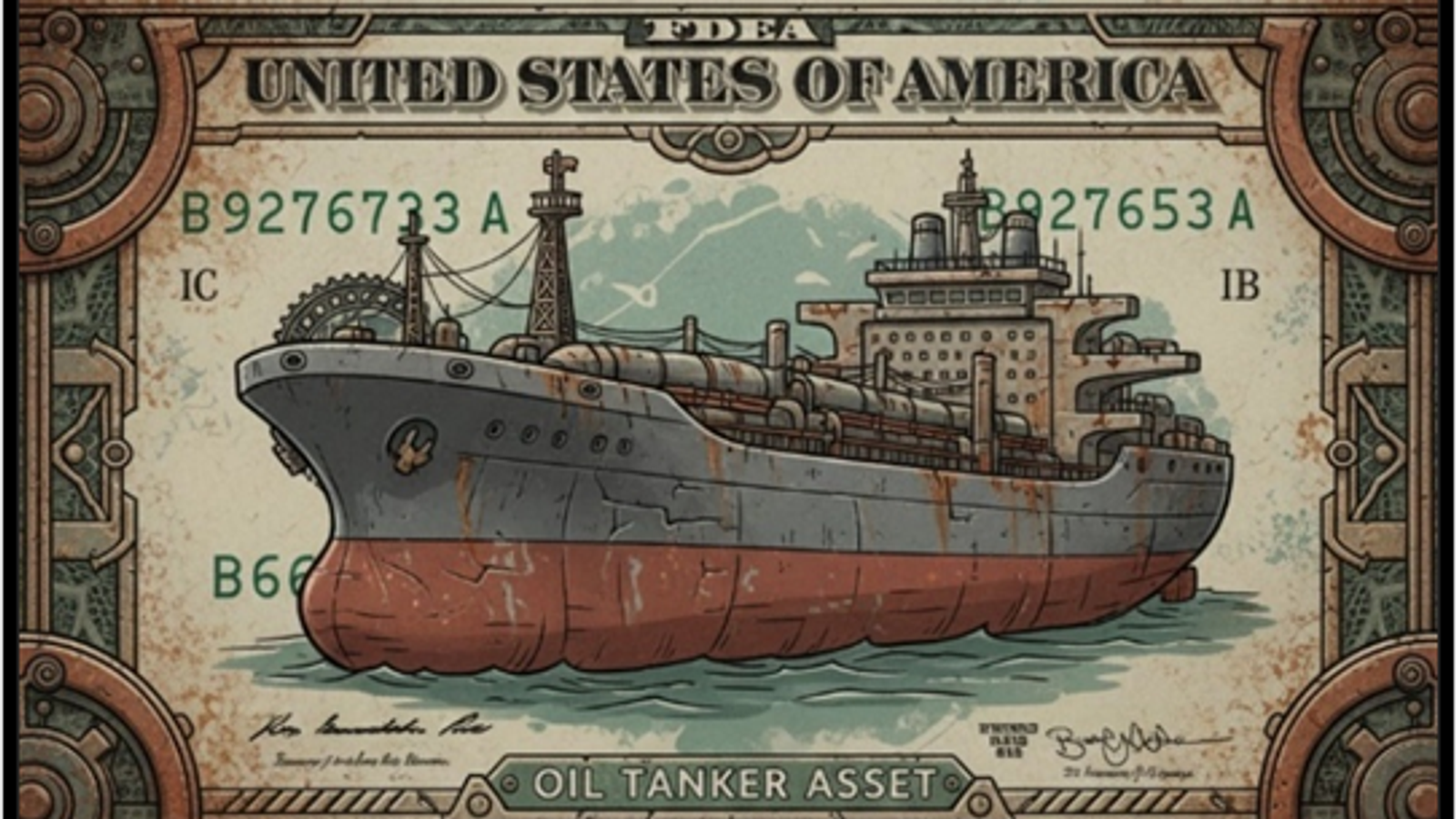
In Rust We Trust
The Currency That Stays Afloat
If the first month of 2026 taught us anything, it’s that the playbook we have grown accustomed to has essentially been thrown overboard. We’ve witnessed the capture of a head of state, a Venezuelan oil sector suddenly open for privatization, and a market that can’t decide if it’s drowning in oil or desperate for steel. While the headlines focus on the political theater involving the capture of the Venezuelan president, a quieter but far more critical reality is taking shape on the water. The global tanker fleet is aging at a rate that defies historical norms, and when you combine a geriatric fleet with a weakening dollar and a sudden appetite for scrapping, you get a recipe for asset inflation that ignores the bearish supply and demand logic of the IEA.
We crunched the numbers on the current trading fleet and the orderbook to see just how deep this age cliff goes. The results are stark. If we define "older tonnage" as vessels built in 2011 or earlier, we’re looking at a fleet that’s rapidly approaching obsolescence. In the VLCC and Suezmax sectors, approximately 48% of the trading fleets will be over 15 years old this year. The situation deteriorates further as you move down the sizes, with 53% of Aframaxes/LR2s and 51% of MRs pushing past their 15th birthday. The true geriatric ward of the industry is the Panamax sector, where a staggering 74% of the fleet was built before 2011.In a normal market, these ships would quietly fade into the background or be scrapped in an orderly fashion. But this isn’t a normal market.
The capture of the Venezuelan leadership has sent shockwaves through the "dark fleet" and introduced a fascinating curveball. The number of reported sanctioned VLCCs stands near 200 vessels and over 130 sanctioned Suezmaxes. These are vessels that have been operating in the shadows, kept alive by illicit trades. However, reports are now circulating that cash buyers like GMS have applied for an OFAC license to legally scrap these sanctioned vessels. If this license is granted, we aren’t just talking about a few ships hitting the beaches in India or Bangladesh; we’re looking at a potential mass extinction event for a large portion of the shadow fleet. This would tighten the effective trading supply almost overnight.
This leads to the billion-dollar question of reinvestment. The selling frenzy isn’t limited to the shadows. We’re seeing a broad exodus of secondhand tonnage from traditional Owners who are looking at current asset values and deciding it’s time to cash in. These sellers are now sitting on exceptionally deep pockets, but they face a dilemma. Capital needs a home, and the shipyards are effectively closed for business until 2029.You can’t simply order a replacement and wait. The savvy money is realizing that the only available play is immediate consolidation. Look at Sinokor. They’re aggressively cornering the vintage VLCC market, betting that immediate steel on the water is worth more than a promise of delivery four years from now. They’re redeploying their war chests into the only assets available, turning the "old" fleet into the "gold" fleet.
There are still headwinds to consider. Yes, the IEA has forecasted a global oil surplus of nearly 3.7 million barrels per day for 2026, which would typically act as a lid on rates. But OPEC sees a balanced market, and the spread between those two forecasts is the difference between a depression and a boom. Another counterweight to this surplus is the currency itself. The U.S. dollar has weakened significantly over the last year, and ships are dollar-denominated assets. As the greenback slides, the nominal value of these steel assets naturally inflates. You’d rather hold a tangible asset like a ship than a depreciating currency.
So, what’s the verdict? It’s possible that asset prices haven’t yet found their ceiling. The fleet is simply old and the replacement timeline is long. We’re missing the "black swan" of a sanctioned fleet scrappage event, which could remove hundreds of ships from the water faster than anyone expects. While the oil surplus suggests we should be cautious on freight rates, the asset play remains strong. The smart money is buying time, quite literally, by buying the only ships available. In a world of uncertainty, steel is providing a very compelling hedge, which suggests maybe we should be looking at the scrapyard to see where the next bull run begins.